What does cruel breeding mean for dogs?
Cruel breeding describes a form of dog breeding in which external characteristics are deliberately enhanced, even if they severely compromise the animals' health. Short snouts, oversized heads, or extremely long backs may look cute or unusual, but they lead to respiratory distress, joint problems, or chronic pain. The problem is: Many of these breeds are bred in such a way that they can no longer even live a normal life or reproduce without medical assistance.
Why cruel breeding is so dangerous
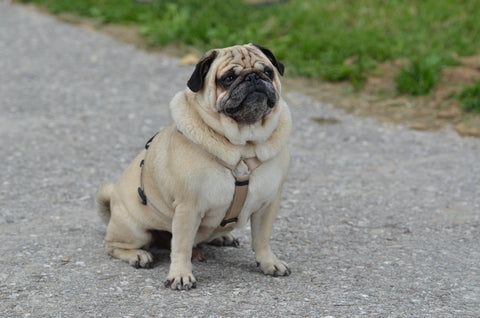
The consequences of cruel breeding are diverse and affect the entire body of the dog. Short-headed breeds such as Pugs, French Bulldogs, and Pekingese often suffer from brachycephalic syndrome, which causes shortness of breath, snoring, and even choking. This results in affected dogs having difficulty breathing while sleeping or exercising. Heat also quickly becomes life-threatening for these dogs because they are barely able to cool themselves sufficiently through panting.
Dogs with excessively long backs, like dachshunds, are at high risk for herniated discs. Breeds with extremely folded skin are prone to painful inflammation, while animals with overly large heads can often only be born by cesarean section. All of these characteristics have one thing in common: they interfere with the dogs' natural lives and cause avoidable suffering.
Particularly affected dog breeds
Not every dog breed is equally affected by cruel breeding. However, breeds in which extreme physical characteristics have been deliberately reinforced over generations are particularly at risk. These include dogs with very short snouts, excessively large heads, extremely long backs, or heavily folded skin.
Typical dog breeds affected by cruel breeding are:
- Pug – short snout, shortness of breath, overheating, eye problems
- French Bulldog – Shortness of breath, heat sensitivity, spinal problems
- English Bulldog – breathing problems, frequent caesarean sections, joint diseases
- Pekingese – bulging eyes, shortness of breath, chronic eye inflammation
- Chihuahua – skull deformities, dental problems, fragile bones
- Dachshunds – overly long back, high risk of herniated discs
- Shar Pei – Skin folds lead to inflammation, eye and ear problems
- Teacup dogs (miniature breeds) – organ weakness, bone fractures, heart problems
Legal situation and responsibility of the owners
In Germany, cruel breeding is prohibited under the Animal Welfare Act. Nevertheless, affected breeds continue to be bred and sold – often abroad or through dubious breeders. Demand drives the market: As long as people knowingly buy dogs with characteristics of cruel breeding, there will be breeders who cater to this business. Every dog owner bears responsibility here. Anyone who wants a dog should do their research, look for reputable breeders, and, if necessary, consider a dog from an animal welfare organization.
What you can do against cruel breeding
Everyone can make a contribution by refraining from purchasing dogs with traits derived from cruel breeding. Those who are determined to acquire a particular breed should look for breeders who prioritize health and temperament rather than exaggerating extreme physical characteristics. Raising awareness among friends and acquaintances is also important to raise awareness of the suffering behind cruel breeding.